September 6, 2024
AI-Powered Shopping: How COSMO and Rufus are Revolutionizing Product Discovery
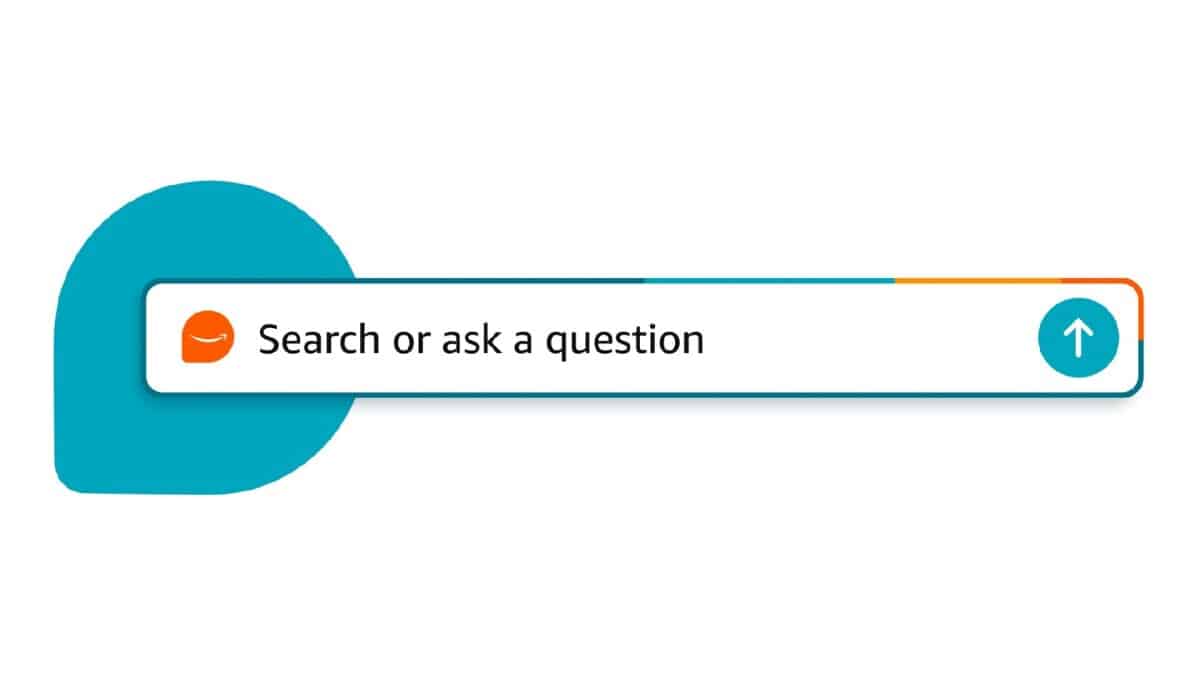
Remember the days when online shopping meant endless scrolling, confusing product descriptions, and a nagging feeling that you might be missing out on the perfect item? Well, those days are quickly becoming a thing of the past, thanks to some seriously cool AI tech that's shaking up the e-commerce world. Enter COSMO and Rufus – the dynamic duo that's about to make your Amazon shopping experience feel like you've got a personal shopper right in your pocket.
Amazon has recently rolled out Rufus, an AI-powered shopping assistant, to all users in the US marketplace. This innovative tool is designed to streamline the shopping process by providing instant answers to product-related questions. Instead of sifting through lengthy product descriptions, shoppers can now simply ask Rufus questions like "Is this pickleball paddle good for beginners?" or "Does it come with a case?"
Rufus leverages deep product knowledge and natural language processing to understand and respond to user queries with remarkable accuracy. It can:
This AI assistant simplifies the search process, making it easier for shoppers to find the right product among the vast array of options available on Amazon. By providing quick, relevant answers to specific questions, Rufus helps users make more informed purchasing decisions without the need to navigate through multiple pages or read extensive product descriptions.
While Rufus serves as the user-facing interface, the real powerhouse behind this AI revolution is COSMO. COSMO, which stands for Common Sense Machine for Online shopping, is the sophisticated AI engine that powers Rufus and other AI-driven features on Amazon's platform.
COSMO goes beyond traditional keyword-based search algorithms, employing advanced machine learning techniques to understand the context and intent behind user queries. Some of COSMO's key capabilities include:
The introduction of AI assistants like Rufus and COSMO is set to revolutionize the e-commerce landscape in several ways:
By providing instant, accurate answers to product queries, these AI tools significantly reduce the time and effort required to find suitable products. This improved user experience can lead to higher customer satisfaction and increased loyalty to the platform.
With access to summarized reviews, product comparisons, and personalized recommendations, shoppers can make more informed decisions. This could potentially lead to fewer returns and higher overall customer satisfaction with their purchases.
As users become accustomed to conversing with AI assistants, we may see a shift from keyword-based searches to more natural, conversational queries. This change could impact how products are discovered and how sellers optimize their listings.
AI-powered recommendations allow for a level of personalization that would be impossible to achieve manually. Each user can receive tailored product suggestions based on their unique preferences and behaviors.
The rise of AI-powered shopping assistants presents both challenges and opportunities for sellers on Amazon and other e-commerce platforms:
Sellers will need to optimize their product listings not just for keywords, but for context and use cases. Providing clear, detailed information about product features, benefits, and potential applications will be crucial for AI systems to accurately recommend products.
As AI systems like COSMO improve their ability to analyze visual content, high-quality product images and videos will become even more important. Sellers should focus on creating visual content that clearly demonstrates product features and use cases.
With AI assistants summarizing and categorizing reviews, maintaining a positive review profile becomes more critical than ever. Sellers should focus on providing excellent customer service and actively managing their product reviews.
As user search behavior evolves, sellers may need to rethink their keyword strategies and focus more on natural language optimization. Understanding the types of questions users are likely to ask about their products will be key.
The introduction of COSMO and Rufus is just the beginning of the AI revolution in e-commerce. As these technologies continue to evolve, we can expect to see:
The introduction of AI-powered shopping assistants like Rufus, backed by sophisticated engines like COSMO, marks a significant milestone in the evolution of e-commerce. These technologies promise to make online shopping more intuitive, personalized, and efficient for consumers, while also creating new opportunities and challenges for sellers.As we move forward, both shoppers and sellers will need to adapt to this new AI-driven landscape. Shoppers can look forward to more seamless, personalized shopping experiences, while sellers will need to focus on providing rich, detailed product information and optimizing their listings for AI-powered discovery.The future of e-commerce is here, and it's powered by AI. As these technologies continue to evolve, they will undoubtedly reshape the way we discover, evaluate, and purchase products online, ushering in a new era of intelligent, personalized shopping experiences.
How does Rufus differ from traditional search functions on Amazon? Rufus uses natural language processing to understand and respond to specific questions about products, providing more contextual and personalized information than a traditional keyword search.Can COSMO and Rufus learn from user interactions? Yes, these AI systems are designed to learn and improve over time based on user interactions, helping to provide increasingly accurate and relevant responses.Are there any privacy concerns with using AI shopping assistants? While AI assistants use data to provide personalized experiences, Amazon has strict privacy policies in place. Users should review their privacy settings to understand how their data is used.How can sellers optimize their listings for AI-powered discovery? Sellers should focus on providing detailed, context-rich product descriptions, high-quality images, and addressing common user questions in their listings.Will AI shopping assistants replace human customer service representatives? While AI can handle many routine queries, human customer service representatives will likely still be necessary for more complex issues and personalized support.Can Rufus understand and respond in multiple languages?Currently, Rufus is available in English for the US marketplace. Future expansions may include support for additional languages and regions.How accurate are the product recommendations provided by these AI systems? The accuracy of recommendations continues to improve as the AI learns from more data and user interactions. However, as with any recommendation system, results may vary based on individual preferences and available product information.
Fill out the form and our experts will get back
to you within 24 hours.
.webp)
.webp)
.webp)
We respect your privacy. Your information is safe with us.